
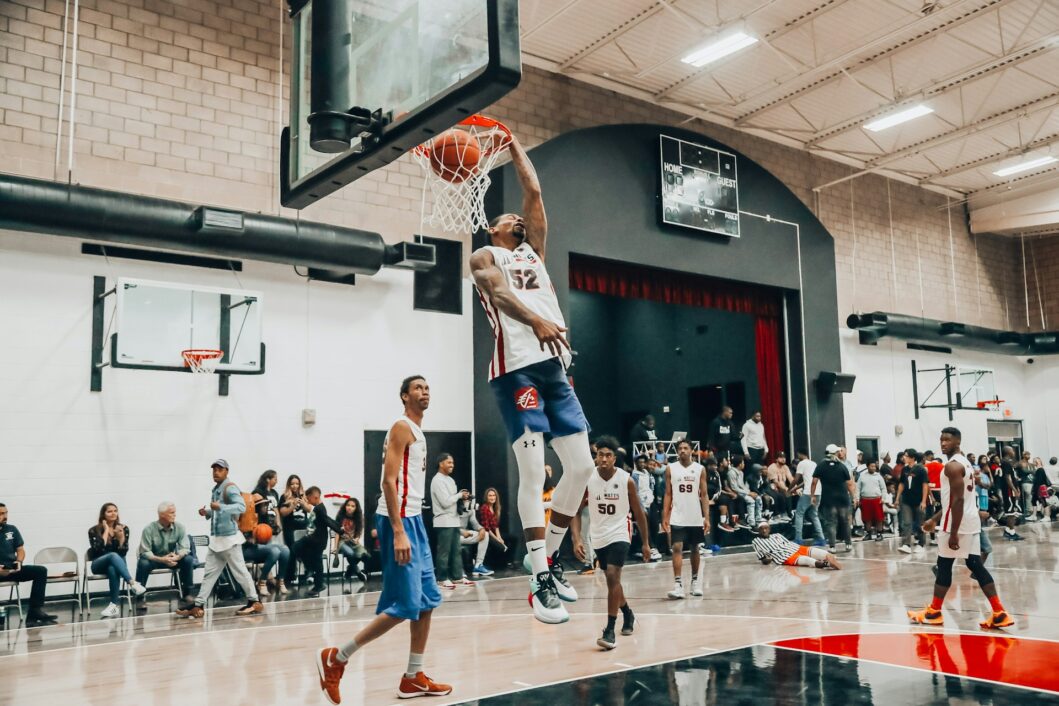
Developing a passion for sports often begins long before professional aspirations arise. Early experiences—whether through informal play, school programs, or family influence—play a crucial role in shaping athletic dedication, work ethic, and long-term engagement with physical activity. Understanding these influences can help athletes, parents, and coaches foster lifelong commitment to sports.
The Role of Early Exposure
Children who are introduced to sports at a young age often develop foundational skills, coordination, and an understanding of teamwork that benefit them throughout life. Early exposure allows young athletes to experiment, take risks, and discover personal strengths and interests. Positive experiences during this stage, including encouragement from mentors and opportunities for fun and exploration, are essential for cultivating genuine enthusiasm for the game.
Family and Community Influence
Supportive family and community environments reinforce a child’s interest in sports. Parents, siblings, and local mentors who model athletic participation, attend games, or provide guidance can instill confidence and motivation. Participation in youth leagues, school teams, or community programs not only builds skill but also teaches discipline, collaboration, and resilience—key qualities that contribute to athletic dedication.
Balancing Skill Development and Enjoyment
While structured training is important, early experiences should balance skill development with enjoyment. Children who associate sports with fun and personal achievement are more likely to maintain interest over time. Coaches and mentors play a critical role in creating inclusive, encouraging environments that focus on progress rather than pressure, allowing young athletes to cultivate confidence and a lifelong connection to their sport.
Psychological and Social Benefits
Early engagement in sports also promotes mental resilience and social development. Young athletes learn to navigate competition, setbacks, and teamwork dynamics, fostering patience, persistence, and problem-solving abilities. These experiences not only enhance athletic performance but also prepare individuals to face challenges in academics, careers, and personal life.
Sustaining Athletic Dedication
A lifelong love for sports emerges when early experiences are positive, consistent, and supportive. Athletes who develop a strong emotional and psychological connection to their sport are more likely to continue participating, even when competitive play ends. This enduring dedication can manifest through coaching, mentorship, recreational play, or continued personal skill development.
Conclusion
Early experiences are foundational in shaping athletic dedication and a lifelong passion for sports. By fostering supportive, enjoyable, and skill-building opportunities from a young age, parents, coaches, and communities can help cultivate athletes who not only excel in their chosen sport but also carry the benefits of discipline, teamwork, and resilience throughout their lives.
About the Author
